Between the sacred month of Rajab and the great month of Ramadan lies Sha’ban, a month the Prophet, peace be upon him, described as one that people often overlook. Precisely because it sits in the shadow of Ramadan, many believers pass through it without a second thought. Yet Sha’ban holds real virtue and quiet opportunity. The Prophet himself honoured it with abundant fasting and worship, and the pious predecessors treated it as a time to renew their bond with the Qur’an. For anyone hoping to enter Ramadan strong and ready, Sha’ban is a gift, a gentle slope that leads up to the summit of the year.
Many believers who long to be near the Kaaba also choose this month for their journey. Booking a Hajj Umrah Package that arranges the flights, visa, hotels and transport allows a pilgrim to focus entirely on worship while preparing their heart for the fasting month ahead. But before considering the journey itself, it helps to understand just why Sha’ban is so blessed, and how the believer can make the most of it whether at home or at the House of Allah.
A month that people neglect
The virtue of Sha’ban is captured beautifully in a question once put to the Prophet, peace be upon him. Usama ibn Zayd asked him why he fasted so much in this month in particular. The Prophet replied that it is a month people neglect, standing between Rajab and Ramadan, and that it is a month in which deeds are raised to the Lord of the worlds. He added that he loved for his own deeds to be raised while he was fasting. Aisha, may Allah be pleased with her, also reported that she never saw the Messenger of Allah fast a complete month except Ramadan, and never saw him fast more in any month than he did in Sha’ban. There is a gentle lesson in this for all of us: the quiet, overlooked times often hold the greatest reward, precisely because so few people seek them.
The month of the Qur’an reciters
For a lover of the Qur’an, Sha’ban carries a special significance. It is reported that the pious predecessors, once Sha’ban began, would turn to the Qur’an with renewed energy, reciting it more often and preparing their hearts for the month in which it was revealed. Some of the salaf went so far as to call Sha’ban “the month of the reciters.” This makes it the ideal time for anyone learning, memorising or simply reconnecting with the Book of Allah to increase their daily portion, revise what they have already learned, and polish their recitation. Entering Ramadan with a strong, steady bond to the Qur’an transforms the whole month, and Sha’ban is where that bond is built.
The night of mid-Sha’ban
Many scholars regard the fifteenth night of Sha’ban as a night of mercy and forgiveness, drawing upon narrations that speak of Allah extending His forgiveness widely to His servants on this night. While the scholars differ over the particular practices associated with it, the broad and sound encouragement is simple: to turn to Allah in sincere repentance, in prayer, and in remembrance. Approached with sincerity, and without inventing practices that have no basis, it is a beautiful chance to seek forgiveness and begin cleansing the heart before Ramadan arrives, so that one enters the fasting month already turning back to Allah.
Umrah in the month of Sha’ban
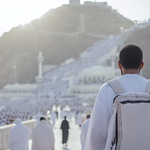
For those who are able to travel, Sha’ban offers a wonderful window for Umrah. To perform the pilgrimage in the weeks just before Ramadan is to prepare your heart at the very House of Allah, and there are practical blessings alongside the spiritual ones. Because Shaban Umrah Packages fall just before the enormous demand of the holy month, they are often calmer and more affordable than travelling during Ramadan itself, with noticeably thinner crowds that make Tawaf, Sa’i and the long prayers far easier to perform. Many pilgrims find that a Sha’ban Umrah sets the perfect tone for the fasting that follows, allowing them to return home spiritually refreshed and already in a state of worship as the new moon of Ramadan is sighted.
Preparing for Ramadan in Sha’ban
Above all else, Sha’ban is a training ground for Ramadan. It is the month in which to build the habits you hope to carry through the holy days ahead. Fast a few days, as the Prophet did, so that your body and soul grow accustomed to it before the obligation begins. Increase your night prayer little by little, give in charity, and return to the Qur’an as part of your daily routine. Just as importantly, make up any fasts you still owe from the previous Ramadan before the new one arrives, as the scholars advise. Those who warm up in Sha’ban find the opening days of Ramadan far easier, while those who neglect it often spend the first week merely adjusting, losing precious reward in the process.
Staying on for the start of Ramadan
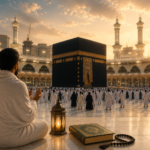
Some pilgrims who travel in Sha’ban choose to extend their stay so that they are still in Makkah or Madinah when the new moon of Ramadan is sighted. To break your first fast within sight of the Kaaba, or to pray the first Taraweeh in the Prophet’s Mosque, is an experience beyond description. If this appeals to you, plan carefully and book early, as prices and demand rise sharply the moment Ramadan begins. Even a few days that straddle the two months allow you to taste the quiet of Sha’ban and the blessing of early Ramadan in a single, unforgettable journey. Discuss the option with your travel agent well ahead of time, since visas and hotel bookings need to account for both months.
A blessed beginning
Sha’ban is a gift for the believer who takes notice of it while others let it slip by. Whether you spend it fasting quietly at home, immersed in the recitation of the Qur’an, or standing in worship before the Kaaba on Umrah, it is a rare chance to prepare while much of the world is unaware. For those looking to deepen their spiritual preparation, resources and guidance from Zaaviya Trust can also help make this time more meaningful. Seize Sha’ban with sincerity, and you will find that Ramadan meets you already in motion, your heart softened, your habits formed and your longing for Allah renewed. May Allah allow us all to reach Ramadan and make the most of this blessed month that leads to it.
Common questions about Sha’ban and Umrah
Why did the Prophet fast so much in Sha’ban?
The Prophet, peace be upon him, explained that Sha’ban is a month people neglect, in which deeds are raised to Allah, and that he loved for his deeds to be raised while he was fasting. Aisha reported that he fasted more in Sha’ban than in any month besides Ramadan.
Is Sha’ban a good time for Umrah?
Yes. Performing Umrah in Sha’ban is a beautiful way to prepare spiritually for Ramadan. It is also usually calmer and more affordable than travelling during Ramadan itself, with smaller crowds at the Haram.
What is the night of mid-Sha’ban?
The fifteenth night of Sha’ban is regarded by many scholars as a night of forgiveness and mercy. Believers are encouraged to turn to Allah on it with sincere repentance, prayer and remembrance, without adopting innovated practices.