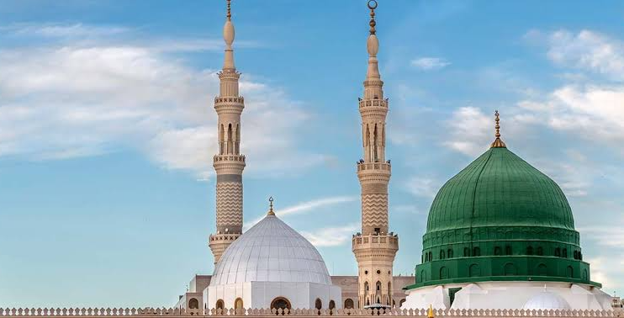
It’s 4:30 AM in Chicago. Your phone vibrates on the nightstand, gently nudging you awake. Outside, the city is still wrapped in silence. But inside your home, a quiet, powerful revolution is about to begin—the call to Fajr prayer.
For a busy American Muslim, the day starts long before the first email arrives or the morning commute begins. It begins in those sacred, pre-dawn moments that most of the world sleeps through. This isn’t just another item on a to-do list; it’s the spiritual anchor that steadies the ship in a sea of 9-to-5 pressures, family commitments, and the relentless pace of modern life.
The Unseen Shield: Spiritual Benefits for the Modern World
The Importance of Fajr Prayer in the Life of a Busy American Muslim is monumental, but to truly understand why, we must look at its profound spiritual significance, which serves as the foundation for all other benefits.
- Allah’s Personal Protection: Imagine starting your workday with a guaranteed security detail. The Prophet Muhammad (ﷺ) said, “Whoever prays the dawn prayer (Fajr) is under the protection of Allah for that day.” In a world full of uncertainties—from job security in Silicon Valley to family safety in the suburbs of Dallas—this is an unparalleled source of comfort and strength.
- A Litmus Test of Faith: Waking up for Fajr is a personal struggle. No one at the office in Manhattan will know if you missed it. The Prophet (ﷺ) noted that no prayer is more burdensome to the hypocrites than Fajr. This makes it a sincere, private act of devotion that purifies your intention and solidifies your identity as a believer, even when you’re far from any mosque.
- A Light in the Darkness: The Quran mentions the recitation at dawn being “ever witnessed” by the angels. This isn’t just a metaphor; it’s a spiritual reality that fills your day with noor (divine light) and barakah (blessings), helping you navigate meetings in Seattle or long shifts in Houston with a clearer, more patient heart.
- Better Than the World Itself: The two rak’ahs of Sunnah before the obligatory Fajr prayer are described as being “better than this world and everything in it.” This profound statement reorients our priorities. It’s a daily reminder that our spiritual wealth, cultivated in the quiet of our apartments in New York or our homes in Los Angeles, far exceeds any material gain.
Your Dawn Routine: An Engaging, Mobile-Friendly Guide
Now that we’ve established the why, let’s get into the practical how. The following section is designed to be a quick, actionable checklist you can use every morning. It’s built to be easy on the eyes and perfect for viewing on your phone while you’re still in bed, preparing to rise.
⏰ The 7-Step Fajr Mastery Plan
A simple, actionable checklist for the American Muslim’s morning.
- Sleep with Intention: Before bed, make a sincere niyyah (intention) to wake up for Fajr and ask Allah for help. It’s your spiritual alarm clock.
- Digital Sunset: Put your phone in another room or use a blue-light filter at least 30 minutes before sleeping. A clear mind rests deeper.
- Alarm Strategy: Use an app with a “mission” or math problem to turn it off, or place a loud, old-fashioned alarm clock across the room.
- Water First: Immediately drink a full glass of water. It shocks your system awake and rehydrates you after the night, making the wudu (ablution) even more refreshing.
- Wudu with Presence: Don’t rush. Feel the cool water and know you are preparing to stand before your Creator. This act itself washes away minor sins.
- Pray with Focus: Even if you’re groggy, savor the recitation. The two Sunnah rak’ahs are your first victory of the day, worth more than any promotion or bonus.
- 5-Minute Anchor: Don’t rush back to sleep. Sit for just 5 minutes. Recite morning adhkar (remembrances), read a single page of Quran, or simply reflect in the quiet. This anchors the spiritual state for your entire day.
Pro Tip for Commuters & Travelers: Keep a “Fajr Go-Bag” in your car or briefcase. Include a travel prayer mat, a small compass or phone with a Qibla app, and a portable water bottle for wudu. Whether you’re at a rest stop on I-95 or in a quiet corner of JFK Airport, you’ll be ready to answer the call. (Perfect for those early flights out of LAX or long drives from Atlanta).
Beyond Spirituality: Mental & Physical Gains
While the spiritual rewards are paramount, the Importance of Fajr Prayer in the Life of a Busy American Muslim extends to tangible, everyday benefits that can make you more effective in your professional and personal life.
- A Natural Stress Reliever: Science is now catching up with what Muslims have known for centuries. Studies indicate that the rhythmic movements of Islamic prayer (Salah) have a direct, positive impact on stress-related hormones and genes, helping to regulate cortisol levels. For an American Muslim dealing with deadlines in Boston or traffic in Miami, this is a built-in mechanism for emotional regulation and mental clarity.
- Supercharged Productivity: Starting your day with Fajr cultivates an incredible sense of discipline and focus. By conquering the biggest challenge—leaving a warm bed—before the day even begins, you build a powerful momentum. Everything else on your calendar, from project launches to parent-teacher conferences, feels more manageable. It aligns your body’s circadian rhythm, stabilizing your energy for the day ahead.
- A Quiet Space for Clarity: In our hyper-connected American lifestyle, true solitude is a rare commodity. Fajr offers a priceless gift: 10-15 minutes of uninterrupted silence and connection. This isn’t just prayer; it’s a form of meditation that allows you to center your thoughts, set positive intentions, and approach your day with a calm, strategic mindset.
For more practical advice on integrating faith into your daily routine, see our guide: "How to Navigate Your 9-to-5 Job as a Practicing Muslim in America."A Practical Plan for the American Professional
Living in the USA—whether you’re a nurse in Phoenix working the night shift, a software engineer in Austin with a flexible schedule, or a student at the University of Michigan juggling classes—presents unique challenges. The key is to adapt the principle of Fajr to your specific context.
- For the 9-to-5 Worker: The “go-bag” tip from the guide above is your best friend. Keep your prayer essentials at your desk or in your locker. If Fajr time is before your commute, treat it as the most important appointment of your day—one that sets the tone for all others.
- For the Shift Worker or Student: Your schedule might be erratic, but your prayer is not. Use a reliable Islamic app with accurate adhan times for your specific city (e.g., using the ISNA method for Chicago). Communicate respectfully with your employer or professors; many are more understanding than you think, especially when you explain it only takes a few minutes.
- For the Parent of Young Children: Involve your children. Let them see you pray. Even if you can’t make it to the mosque, creating that atmosphere of devotion at home in your apartment in Minneapolis or your house in Orlando plants seeds of faith that will grow for a lifetime.
For an in-depth, research-based perspective on the struggle and science of waking up for the dawn prayer, you can read this excellent article from the Yaqeen Institute for Islamic Research.
Frequently Asked Questions (FAQs)
Q1. What if I accidentally sleep through my alarm and miss Fajr?
Ans: Don’t let guilt paralyze you. The moment you wake up, perform the prayer immediately as qada (make-up). The Prophet (ﷺ) taught us that whoever forgets a prayer or sleeps through it should pray it when they remember. The key is to not make it a habit. Renew your intention and try a different waking strategy the next night.
Q2. I live in a state where Fajr time in summer is extremely early (e.g., 3:45 AM in Michigan). How can I manage this and still function at work?
Ans: This is a common and valid struggle. The practical solution lies in shifting your entire sleep schedule. This means making a conscious effort to be in bed by 9:30 or 10:00 PM. It requires discipline, but the benefit is a vastly more productive and blessed morning. You can also consider a short, 20-minute “power nap” after Dhuhr prayer to recharge.
Q3. Is it better to pray Fajr alone at home or try to make it to the mosque in my busy city?
Ans: While praying in congregation at the mosque carries immense reward (being under Allah’s protection), the primary obligation is to pray on time. If getting to the mosque is a significant hardship that might cause you to miss the prayer window entirely, then praying at home with your family is perfectly valid and highly rewarded. The goal is consistency.
Q4. I travel a lot for work between cities like New York and San Francisco. How do I handle Fajr with changing time zones?
Ans: Always follow the prayer time of the local city you are physically in. Upon landing in San Francisco from New York, your prayer app should automatically update to the Pacific Time Zone. For Fajr specifically, you must perform it according to the local dawn time.
Q5. Are there any specific Duas (supplications) I should recite after Fajr prayer?
Ans: Yes! The time after Fajr until sunrise is one of the best times for dua. You can make any heartfelt supplication. The Prophet (ﷺ) also taught specific morning adhkar (remembrances), such as reciting Ayat-ul-Kursi, the last three chapters of the Quran (Al-Ikhlas, Al-Falaq, An-Nas) three times each, and saying: “اللَّهُمَّ أَجِرْنِي مِنَ النَّارِ” (O Allah, protect me from the Hellfire) seven times.