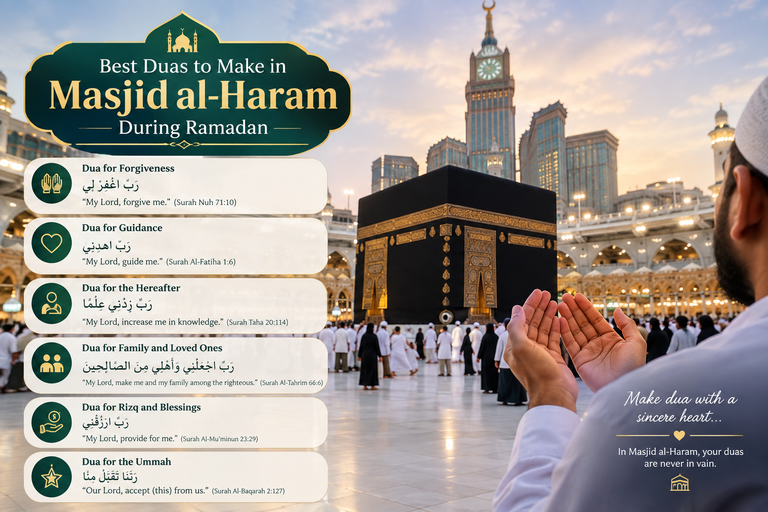
Let’s explore this powerful dua for worry—**each one authentically taught by the Prophet ﷺ **—so you can find real relief from worry, stress, and anxiety starting today.
Let’s be real—life in America today moves at a pace that can leave anyone feeling overwhelmed. Between the relentless demands of a competitive job market in New York or San Francisco, the crushing weight of student loans and credit card debt, the constant ping of notifications, and the pressure to “have it all together,” it’s no wonder that anxiety has become one of the most common mental health challenges in the United States. Research shows that 75% to 90% of all visits to primary care physicians in America are for stress-related problems. For Muslims navigating life in cities like Houston, Chicago, Detroit, or Los Angeles—balancing faith, career, family, and the unique challenges of being a religious minority—stress can feel even heavier.
But here’s the beautiful truth: You are not alone in this struggle, and you have direct access to the most powerful source of peace that exists—your Creator. Allah reminds us in the Quran: “Those who believe, and whose hearts find satisfaction in the remembrance of Allah: for without doubt, in the remembrance of Allah do hearts find rest.” (Surah Ar-Ra’d, 13:28)
The Prophet Muhammad ﷺ taught us specific, powerful duas (supplications) that work like a spiritual anchor when the waves of worry crash against you. These are not just words—they are divine prescriptions for the restless heart. Ibn al-Qayyim (may Allah have mercy on him) described dua as “one of the most beneficial remedies. It is the enemy of calamity; it repels it, cures it, prevents its occurrence, and alleviates it.” It is, he said, “the weapon of the believer.”
1. The Dua for Worry – Protection from Anxiety and Stress
This is perhaps the most well-known and comprehensive supplication for anxiety. The Prophet ﷺ recited it frequently, and it covers every dimension of human worry—emotional, physical, financial, and social.
Transliteration: Allahumma inni a’udhu bika minal-hammi wal-hazan, wal-‘ajzi wal-kasal, wal-bukhli wal-jubn, wa dala’id-dayni wa ghalabatir-rijal.
English Translation: “O Allah, I seek refuge in You from anxiety and sorrow, from weakness and laziness, from miserliness and cowardice, from the burden of debts, and from being overpowered by men.”
Simple Meaning: You are asking Allah to protect you from every kind of inner and outer struggle—the emotional weight of worry and sadness, the paralysis of laziness, the fear that holds you back, the crushing pressure of financial debt, and the feeling of being controlled or oppressed by others.
Authenticity: This dua is recorded in Sahih Al-Bukhari (Hadith 6008) and is one of the most authentic supplications in the entire Islamic tradition.
2. The Dua of the Distressed Person
When you feel like everything is closing in on you—when the stress is so intense you can barely think straight—this is the dua to cling to. The Prophet ﷺ specifically called it “the dua of the distressed person.”
Transliteration: Allahumma rahmataka arju fa la takilni ila nafsi tarfata ‘ayn, wa aslih li sha’ni kullahu, la ilaha illa ant.
English Translation: “O Allah, it is Your mercy that I hope for, so do not leave me in charge of my affairs even for the blink of an eye, and rectify for me all of my affairs. There is no god except You.”
Simple Meaning: This dua is a profound admission of human weakness. You are telling Allah: “I cannot handle this on my own—not even for a single moment. Please take control of my situation and make everything right, because only You can.”
Authenticity: Declared authentic by Hafiz Ibn Hibban; recorded in Sunan Abi Dawud (Hadith 5090).
3. Hasbunallahu wa Ni’mal Wakeel — The Ultimate Declaration of Trust
Sometimes stress comes from uncertainty—not knowing how a situation will turn out. For those moments, this short yet immensely powerful Quranic dua is your go-to.
Transliteration: Hasbunallahu wa ni’mal wakeel.
English Translation: “Allah is sufficient for us, and He is the best Disposer of affairs.”
Simple Meaning: When you declare this, you are essentially saying: “Whatever I’m facing right now—Allah is enough for me. He will handle it. He is the best One to entrust my affairs to.”
Quranic Source: Surah Aal-e-Imran (3:173). This was the declaration made by Prophet Ibrahim (peace be upon him) when he was thrown into the fire, and by the Prophet Muhammad ﷺ and his companions when they faced overwhelming odds.
4. La Hawla wa la Quwwata illa Billah — A Cure for 99 Illnesses
This short phrase is deceptively simple but astonishingly powerful. The Prophet ﷺ described it as a cure for ninety-nine illnesses, the lightest of which is anxiety and depression.
Transliteration: La hawla wa la quwwata illa billah.
English Translation: “There is no power (to avoid sin) and no strength (to do good) except with Allah.”
Simple Meaning: This is a profound acknowledgment that every strength you have—whether physical, emotional, or mental—comes from Allah alone. When you feel weak and helpless, this dua reconnects you to the ultimate Source of all power.
Authenticity: Abu Huraira reported that the Prophet ﷺ said, “La hawla wa la quwwata illa billah is a cure for ninety-nine illnesses, the lightest of which is anxiety.”
5. The Grand Dua That Removes All Worry and Replaces It with Light
This is considered one of the most comprehensive and powerful supplications for distress. The Prophet ﷺ said that whoever recites it when afflicted with grief and anxiety, Allah will remove their sadness and replace it with joy and relief.
Transliteration: Allahumma inni ‘abduka, ibnu ‘abdika, ibnu amatika, naasiyati bi yadika, maadin fiyya hukmuka, ‘adlun fiyya qada’uka. As’aluka bikulli ismin huwa laka, sammayta bihi nafsaka, aw anzaltahu fi kitabika, aw ‘allamtahu ahadan min khalqika, awista’tharta bihi fi ‘ilmil-ghaybi ‘indaka, an taj’alal-Qur’ana rabi’a qalbi, wa nura sadri, wa jalaa’a huzni, wa dhahaba hammi.
English Translation: “O Allah, I am Your servant, son of Your servant, son of Your maidservant. My forelock is in Your hand. Your judgment upon me is assured, and Your decree concerning me is just. I ask You by every name that You have named Yourself with, or revealed in Your Book, or taught to any of Your creation, or kept hidden in the knowledge of the unseen with You, that You make the Quran the spring of my heart, the light of my chest, the removal of my sadness, and the departure of my worries.”
Simple Meaning: In this beautiful dua, you are humbling yourself completely before Allah. You are asking Him—by every single one of His magnificent names, known and unknown—to fill your heart with the Quran’s light and remove every trace of sadness and worry from your life.
Authenticity: Narrated by Imam Ahmad in his Musnad (Hadith 4319); declared authentic by scholars.
When to Recite These Duas: Real-Life Scenarios for Muslims in the USA
The beauty of these duas is that they fit seamlessly into your daily American life. Here is when and how to use them:
🏢 At Work
You’re sitting in your office in downtown Chicago or a tech campus in Silicon Valley. The quarterly report is due, your boss is breathing down your neck, and the pressure feels unbearable. Step away for two minutes, make wudu if you can, and recite Dua #1 (Allahumma inni a’udhu bika minal-hammi wal-hazan) or the short and powerful La hawla wa la quwwata illa billah. It takes under 30 seconds and can reset your entire mindset.
🚗 During the Commute
Stuck in brutal LA traffic on the 405 or navigating the packed subway in New York City? Instead of letting road rage or commuting stress consume you, use that time for dhikr. Hasbunallahu wa ni’mal wakeel is short enough to repeat hundreds of times during a typical American commute.
🌙 Late at Night — When Sleep Won’t Come
You’re lying awake at 2 a.m. in your apartment in Houston, your mind racing about bills, family obligations, or work deadlines. This is a precious moment. The last third of the night is one of the most powerful times for dua to be accepted. Recite Dua #2 (Allahumma rahmataka arju) with full presence of heart. Pour your worries out to Allah in your own words afterward.
🎓 Before Exams and Interviews
Whether you’re a student at the University of Michigan or preparing for a job interview at a firm in Boston, nerves can hijack your performance. Recite Hasbunallahu wa ni’mal wakeel and La hawla wa la quwwata illa billah while you wait—it calms the heart and reminds you that the outcome is ultimately in Allah’s hands, not yours alone.
🏠 During Family Tensions
Raising children in a culture that often conflicts with Islamic values, or dealing with marital stress in a high-pressure society, can feel isolating. Recite Dua #5 (Allahumma inni ‘abduka) after Isha prayer. Ask Allah specifically: “Ya Allah, make the Quran the spring of my home and the light of my family’s hearts.”
🛫 While Traveling
Whether you’re flying out of Atlanta’s Hartsfield-Jackson or driving cross-country, travel brings its own set of anxieties—flight delays, safety concerns, and separation from loved ones. The Prophet ﷺ taught a specific dua for leaving the house: “Bismillah, tawakkaltu ‘alallah. Allahumma inni a’udhu bika an adilla aw udalla…” (In the name of Allah, I place my trust in Allah. O Allah, I seek refuge in You from going astray or being led astray…). Combine this with Hasbunallahu wa ni’mal wakeel for a worry-free journey.
Morning and Evening Adhkar: Your Daily Spiritual Shield for Anxiety and Protection — Learn how the daily adhkar (remembrances) prescribed by the Prophet ﷺ can serve as a powerful, consistent defense against stress before it even begins.
Benefits: How These Duas Transform Your Mind, Heart, and Soul
🧠 Emotional and Mental Benefits
- Immediate calming effect: Reciting duas in Arabic—with its rhythmic, melodic quality—has a meditative effect that slows racing thoughts and lowers stress hormones.
- Shift from helplessness to empowerment: When you make dua, you move from being a passive victim of your circumstances to actively seeking help from the All-Powerful.
- Reduced overthinking: These duas help you practice tawakkul—placing your trust in Allah after doing your part. Research from Case Western Reserve University found that Muslims who used spiritual coping strategies like dua experienced significant reductions in anxiety and depression.
💚 Spiritual Benefits
- Stronger connection with Allah: Every time you turn to Him in distress, your bond deepens. The Quran promises: “And when My servants ask you concerning Me, indeed I am near. I respond to the invocation of the supplicant when he calls upon Me.” (Surah Al-Baqarah, 2:186)
- Protection from future harm: The Prophet ﷺ would recite Dua #1 (Allahumma inni a’udhu bika minal-hammi wal-hazan) regularly, showing that these duas serve both as cure and preventive shield.
- Increased barakah in daily affairs: When you begin and end your day with dua and dhikr, your time, energy, and efforts are blessed in ways you may not immediately notice.
🤲 Social and Practical Benefits
- Debt and financial stress relief: The specific wording of Dua #1 includes seeking refuge from the burden of debt—a reality that millions of Americans face. Regularly reciting this dua opens the door for Allah’s help in financial matters.
- Better relationships: When your heart is at peace with Allah, you become more patient, generous, and emotionally available to your family, friends, and colleagues.
- Complementing professional mental health care: Spiritual practices like dua should complement, not replace, professional mental health support. Many mosques across America—including the Islamic Center of Detroit’s My Mental Wellness Clinic—now offer integrated faith-based counseling alongside therapy.
🧘 Your 7-Day Dua Routine for a Stress-Free Mindset
Small daily habits create lasting change. Try this simple, practical checklist to weave these powerful duas into your American lifestyle—whether you're working a 9-to-5 in Dallas, studying at a university, or managing a household.
Frequently Asked Questions
1. Can I recite these duas in English if I don’t know Arabic?
Absolutely. While the original Arabic carries a special blessing, what matters most is the sincerity and presence of your heart. If you don’t know Arabic, recite the English translation with full conviction. Over time, try to learn the Arabic gradually—starting with the shorter ones like Hasbunallahu wa ni’mal wakeel and La hawla wa la quwwata illa billah. Allah understands every language, and He knows what is in your heart.
2. How many times should I recite these duas?
There is no fixed number required for these specific duas to be effective. You can recite them once, three times, seven times, or as many times as your heart desires. The Prophet ﷺ would often repeat his duas three times. Consistency matters more than quantity. Make them a part of your daily routine rather than reciting them only in moments of crisis.
3. Can making dua replace therapy or medication?
Dua is a powerful spiritual tool, but it should complement—not replace—professional mental health care. Islam teaches us to “tie your camel first, then put your trust in Allah” (Tirmidhi). If you are experiencing severe anxiety, panic attacks, or depression, please seek help from a licensed therapist. Many mosques in the USA—from the Islamic Center of Detroit to community centers in Brooklyn—now offer integrated mental health services that respect both your faith and your clinical needs.
4. What is the best time of day to recite these duas?
While you can and should recite them anytime you feel stressed, certain times are especially powerful: the last third of the night (Tahajjud time), between Adhan and Iqamah, after obligatory prayers, during sujood (prostration), and the hour before Maghrib on Fridays. Morning and evening—between Fajr and sunrise, and between Asr and Maghrib—are also highly recommended times for regular adhkar and dua.
5. I recite these duas but still feel anxious. Am I doing something wrong?
Not at all. Feeling anxiety does not mean your dua is being rejected or that your faith is weak. Even the Prophet ﷺ experienced intense emotional distress at times—and he was the best of creation. Surah Ad-Duha was revealed specifically to console him during a period of deep sadness and anxiety. Think of dua as part of your healing journey, not a magic switch. Keep reciting, keep seeking professional help if needed, and trust that Allah’s help is on its way—in His perfect timing and in the form that is best for you.
A Final Word: You Are Never Alone
If you take away one thing from this article, let it be this: the same Allah who parted the Red Sea for Musa, who cooled the fire for Ibrahim, and who comforted the Prophet Muhammad ﷺ in his darkest moments—that same Allah is with you right now, in your apartment, in your car, at your desk, wherever you are in America. He is closer to you than your jugular vein (Surah Qaf, 50:16).
Stress, worry, and anxiety are part of the human experience. But you have been given a direct line to the Most Merciful, the Most Compassionate, the Controller of all hearts. Use it. Turn each worry into a dua, and watch how your burdens transform into blessings.
May Allah remove every worry from your heart, fill your life with peace and contentment, and make these duas a source of healing and light for you and your loved ones. Ameen.
📚 Further Reading: For a comprehensive collection of authentic duas for relief and protection, visit the Yaqeen Institute’s collection of Prophetic Prayers for Relief and Protection, which provides additional context and explanations for each supplication.